AgiBot leads H1 2026 humanoid shipments with 44% global share
New industry data points to a widening production lead, a distinctive embodied-AI architecture and another major manufacturing milestone.
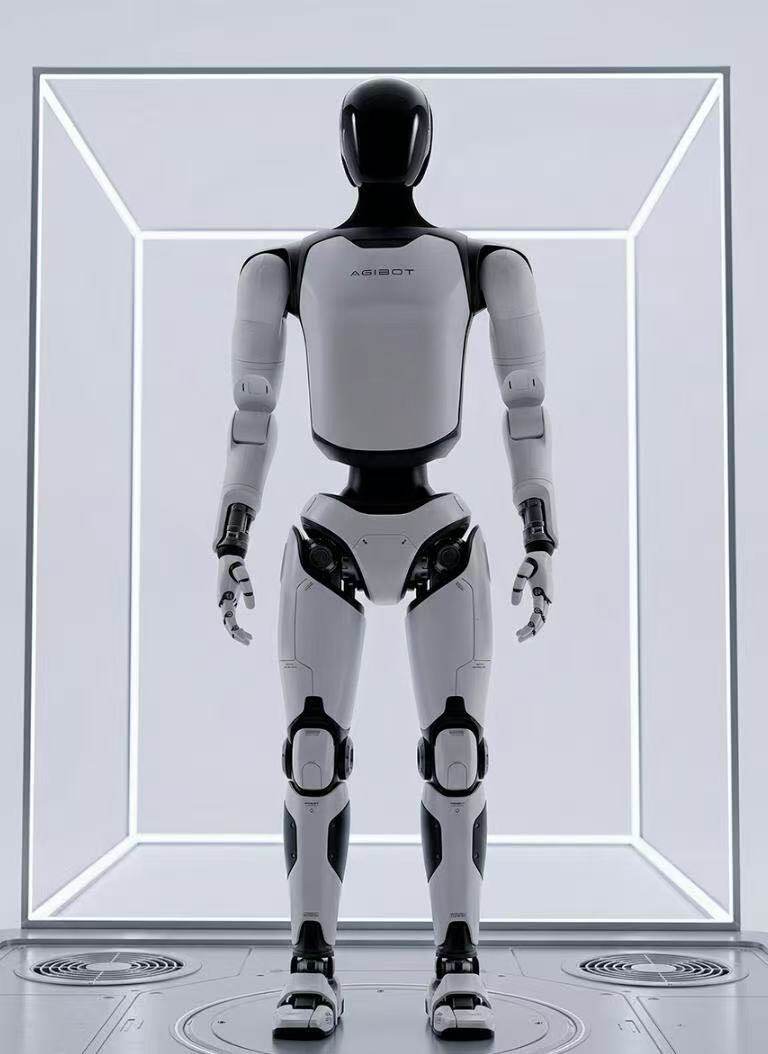
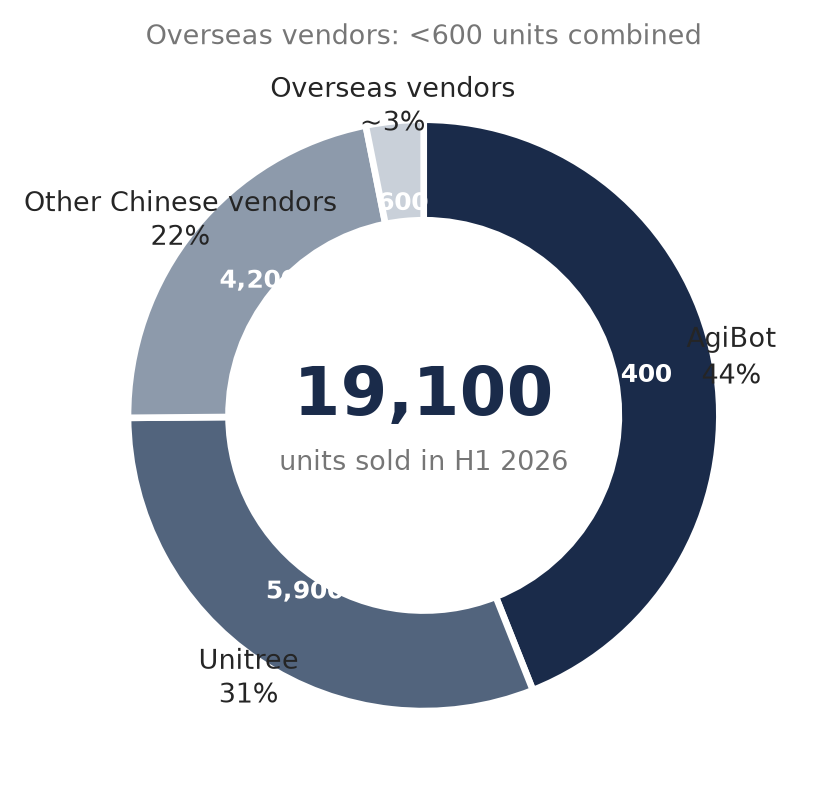
A robotics industry briefing dated 14 September 2026 reports that 19,100 humanoid robots shipped globally in the first half of the year. AgiBot accounted for 8,400 units, or 44% of the total, while Unitree recorded 5,900 units and a 31% share. Other Chinese vendors contributed about 4,200 units, leaving overseas vendors at less than 600 units combined.
On the figures presented, Chinese vendors supplied more than 97% of the market. The result shows how quickly humanoid robotics is moving from prototypes toward repeatable production, but shipment leadership alone does not settle questions about deployment quality, customer concentration or long-term economics.
The reported market at a glance.
Different companies are taking different routes.
The briefing describes AgiBot as focused on enterprise deployments, industrial operating data and longer-term customer programs. Unitree is positioned around a broad product range and global distribution, while US developers such as Figure continue to emphasize AI-native platforms and early commercial programs. Those strategies make shipment totals useful, but not directly interchangeable with revenue, utilization or deployment success.
Three intelligences in one.
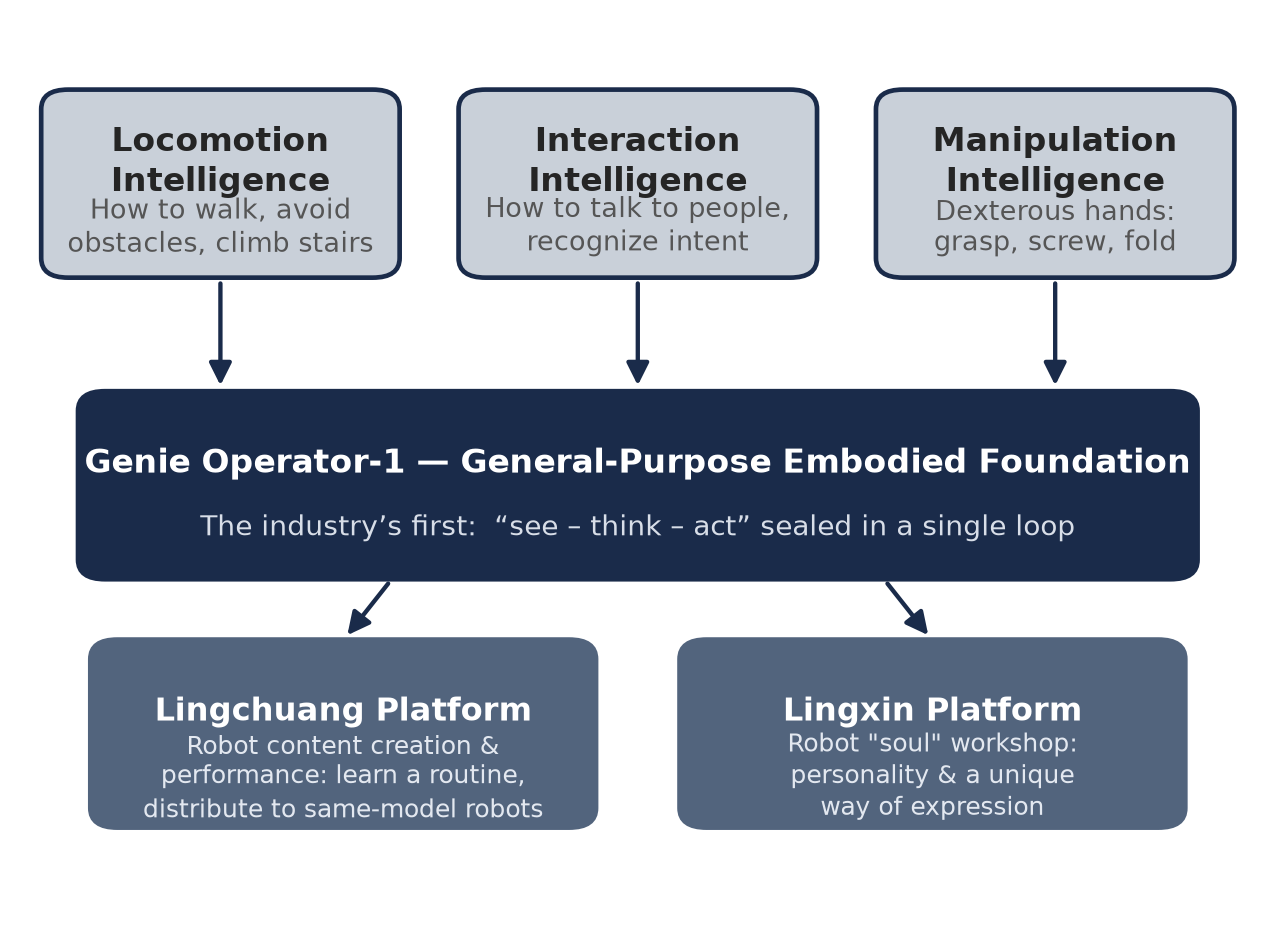
AgiBot links locomotion, interaction and manipulation through its Genie Operator-1 foundation model and the company's content and interaction platforms.
Locomotion intelligence
Movement, balance, obstacle avoidance and stair handling form the physical operating layer.
Interaction intelligence
Conversation and intent recognition support service, guidance and customer-facing workflows.
Manipulation intelligence
Dexterous-hand control connects perception with practical grasping and industrial handling tasks.
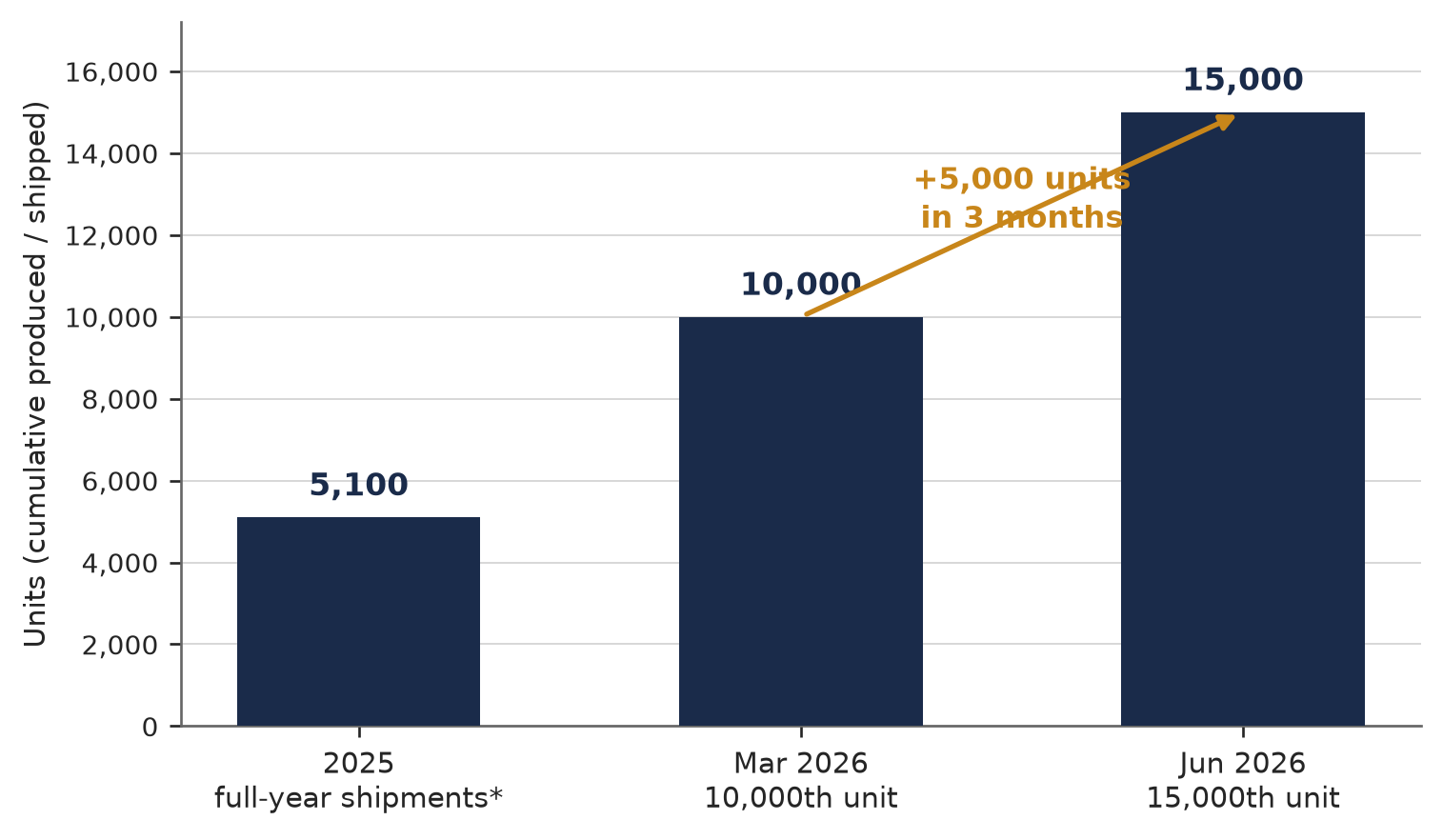
Five thousand more units in three months.
The briefing records AgiBot's 10,000th general-purpose embodied robot in March 2026 and its 15,000th unit, a Jingling G2, on 28 June. The comparison uses Omdia's reported 5,100 full-year 2025 shipments as a baseline.
What this means for Middle East operators.
Regional buyers should look beyond headline shipment numbers and test the full operating model: task reliability, safety, integration, local training, spare parts and ongoing support. Production scale can improve availability, but successful adoption still depends on matching a robot to a clearly defined workflow and proving performance on site.
The Hensung team continues to track these developments as embodied AI moves into manufacturing, logistics, inspection and customer-facing environments across the region.